The outer loop runs itself now

Agents run the inner loop; everything around it still runs by hand. We automated the outer loop, and it is blind without a persistent model of the codebase. Receipts from a board of 9,000 completed tasks.
Point-in-time thoughts on building code intelligence infrastructure.
Agents run the inner loop; everything around it still runs by hand. We automated the outer loop, and it is blind without a persistent model of the codebase. Receipts from a board of 9,000 completed tasks.
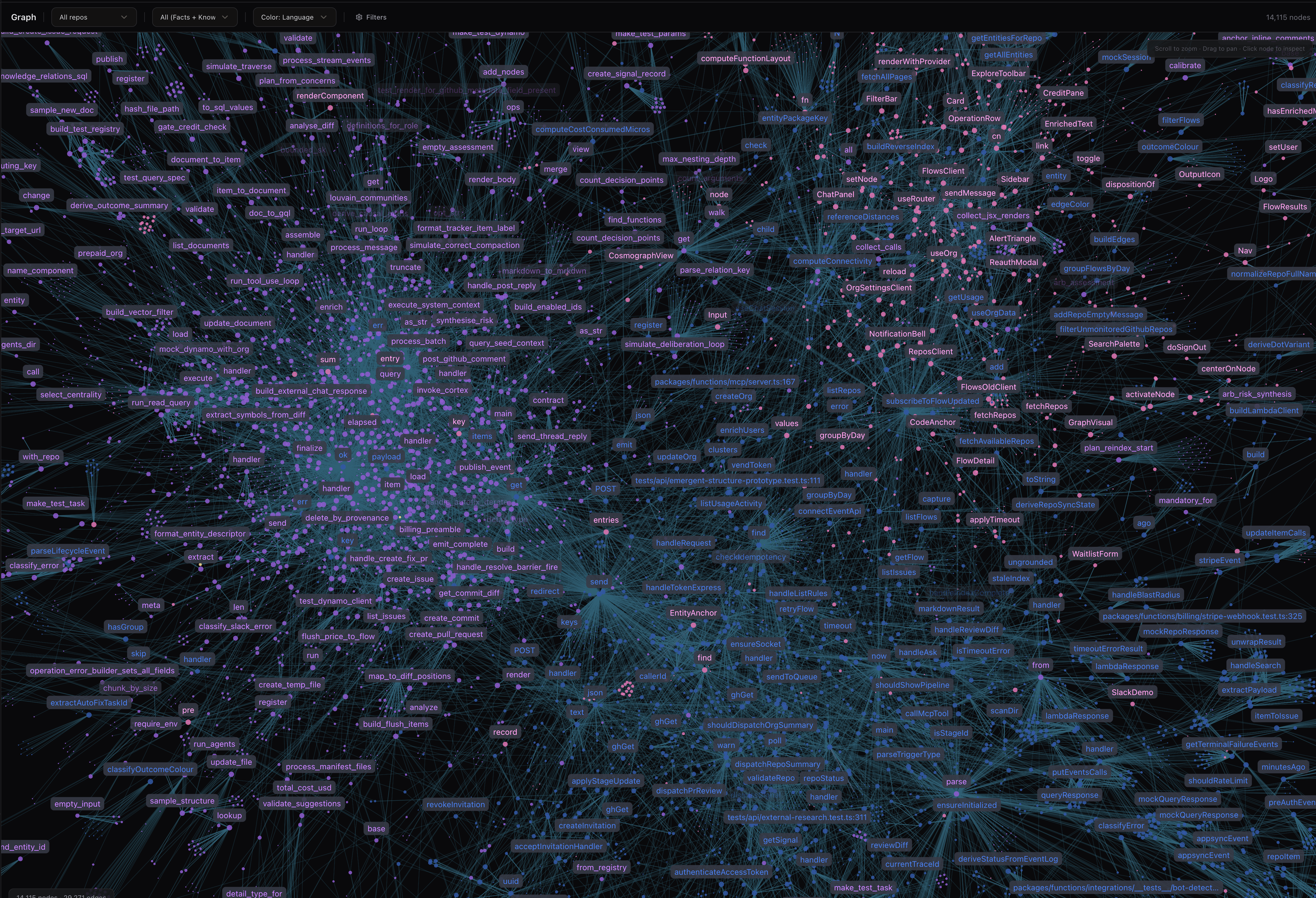
AI helps lean teams ship more code, but confidence is slipping as agents work from stale context and reviewers struggle to see what a change affects. Superpositional keeps a live map of the codebase in agents’ hands and checks every PR against it—so teams can move faster with more confidence.
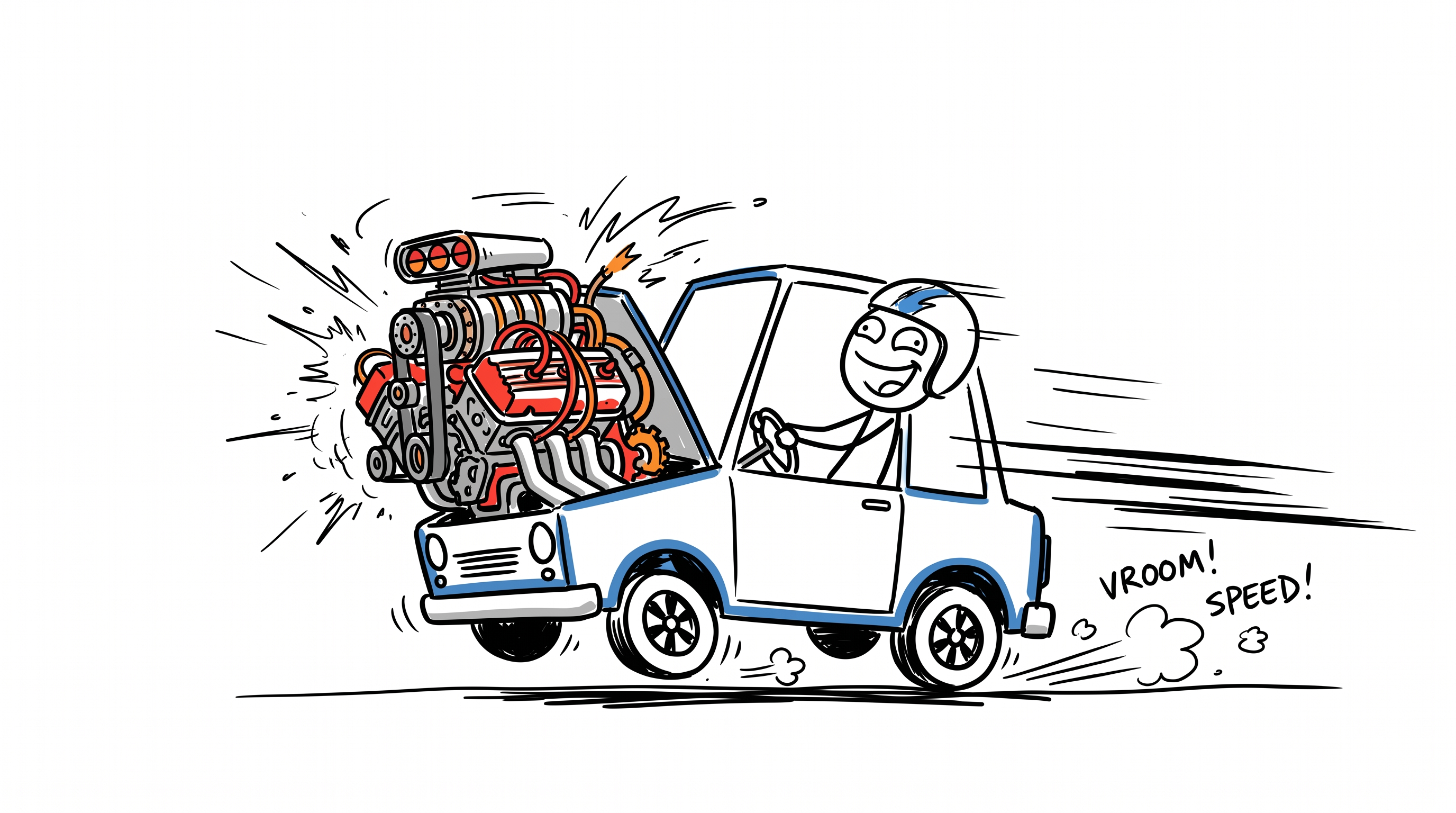
How to squeeze more performance out of small models by making grounding a constraint, not a prompt trick: evidence for claims, checkable outputs, and measuring correctness separately from fluency.

Upfront classification of effort is planning theatre. The better model: do the work, let the work tell you when it's done. Emergent termination outperforms prediction for the same reason NoEstimates outperforms estimation.
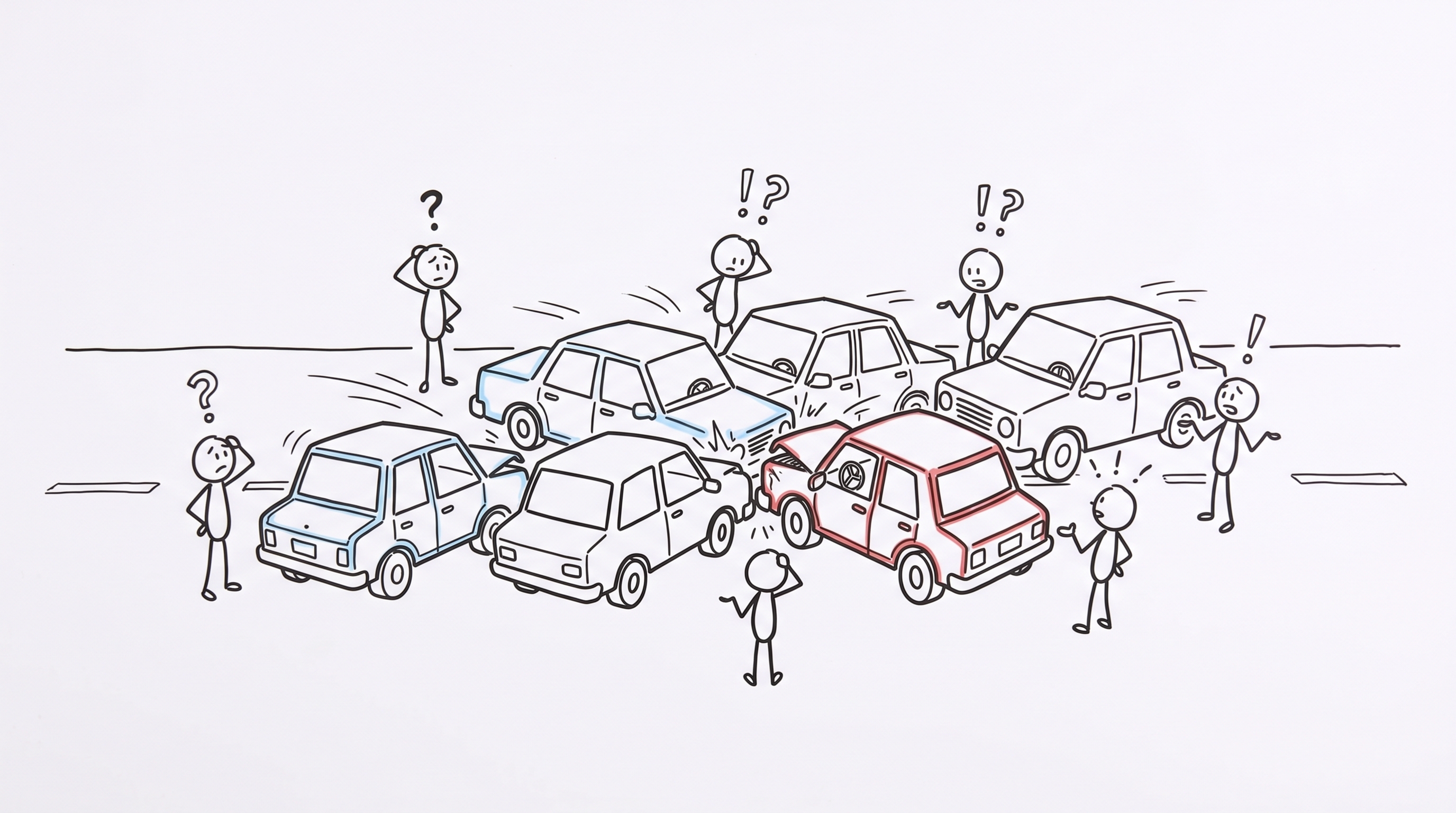
Agentic tools make code cheap. The competitive advantage shifts to constraints, evaluation, and end-to-end autonomy across the value stream.
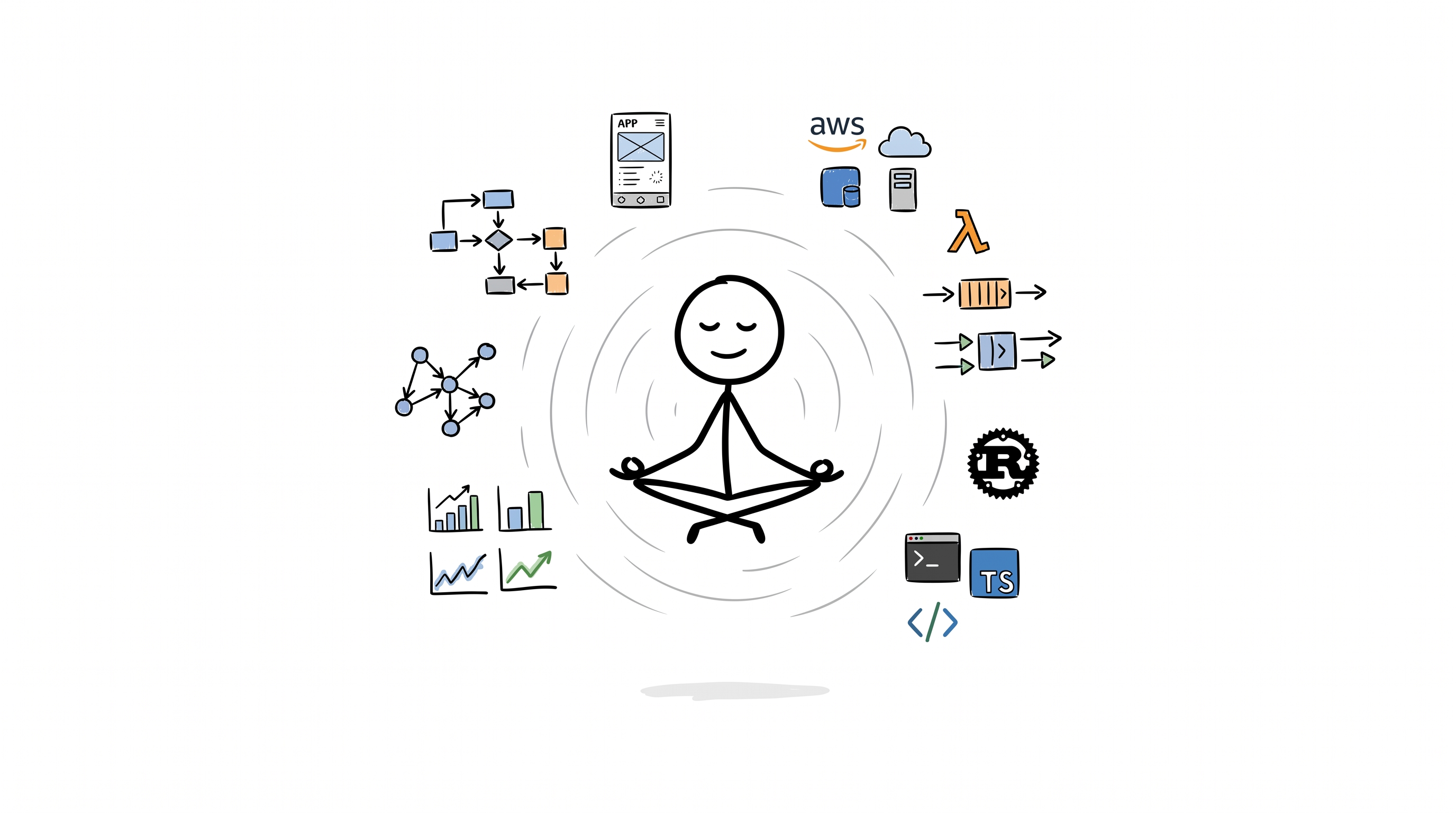
Product-minded generalist engineer. Uses AI tools with healthy distrust and strong verification discipline. Pragmatic, systems-first, and comfortable on the bleeding edge.
Tool-use agents fail in the loop, not the last message. Trajectory-based evals (with mocked tools + deterministic constraints) catch orchestration errors that output-only scoring misses.

AI coding tools accelerate generation but not understanding. The quality gap shows up at three points: developer time, merge time, and issue time. You need system intelligence at all three.